Sankofa in Practice: Fellows for Southern Progress

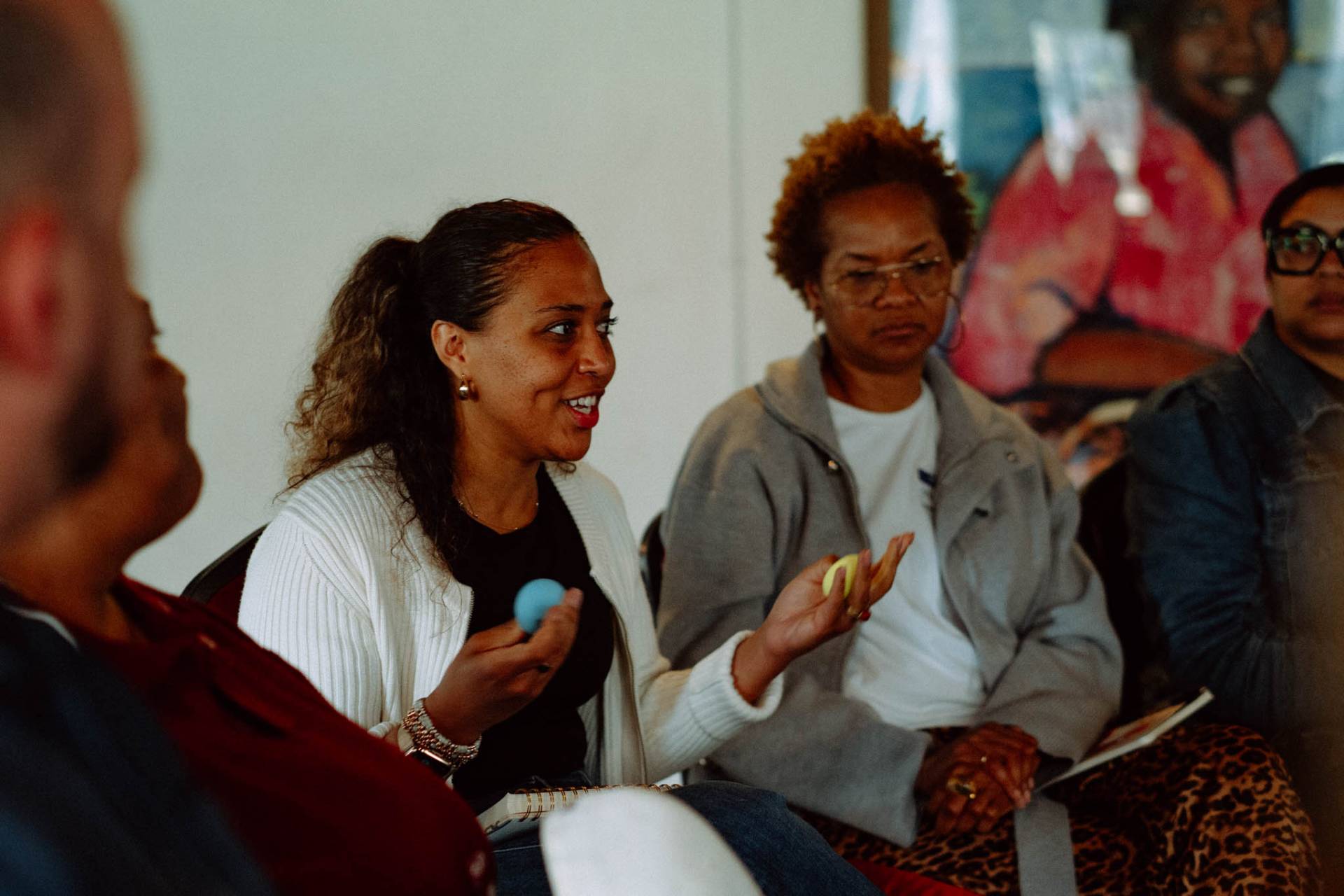
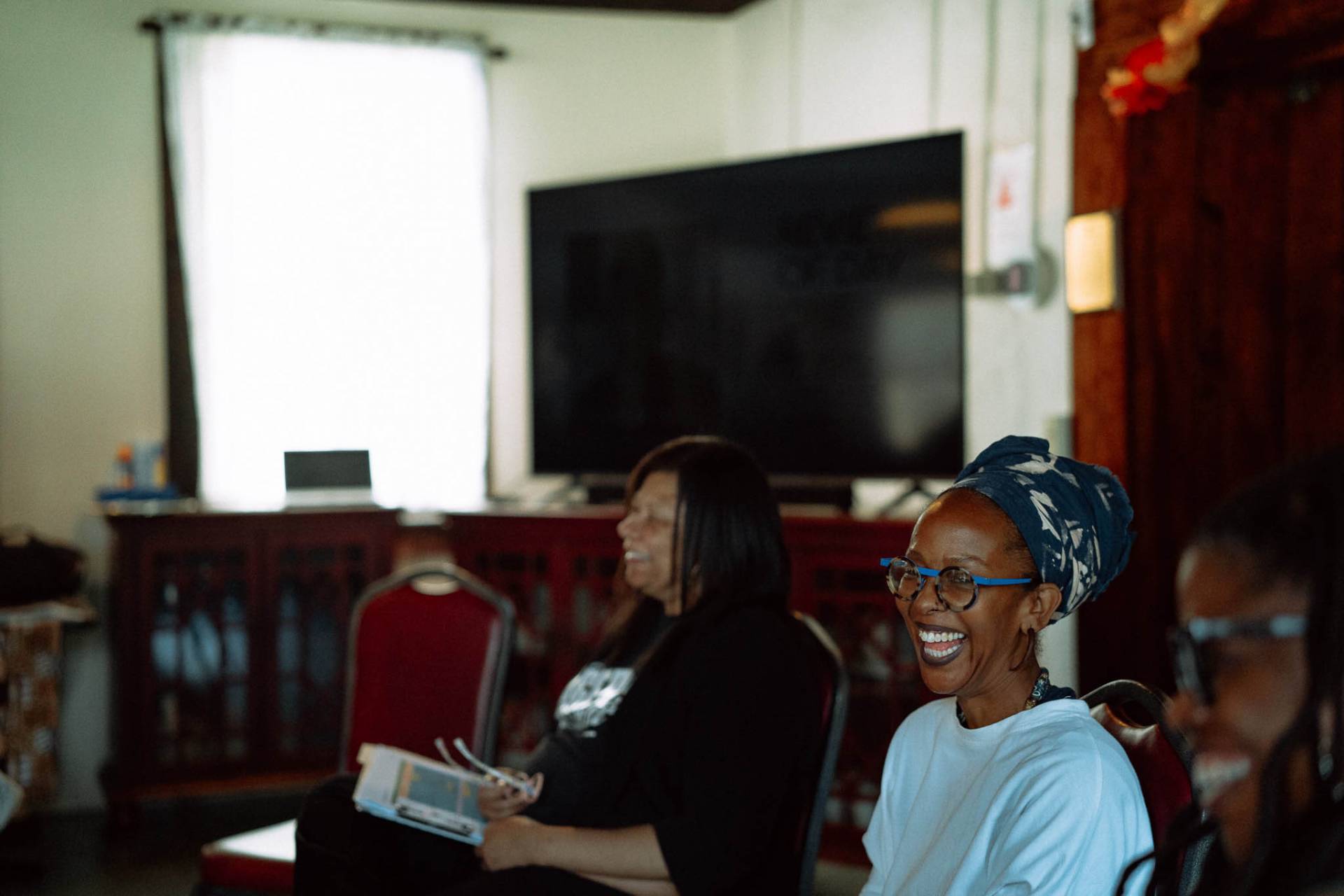
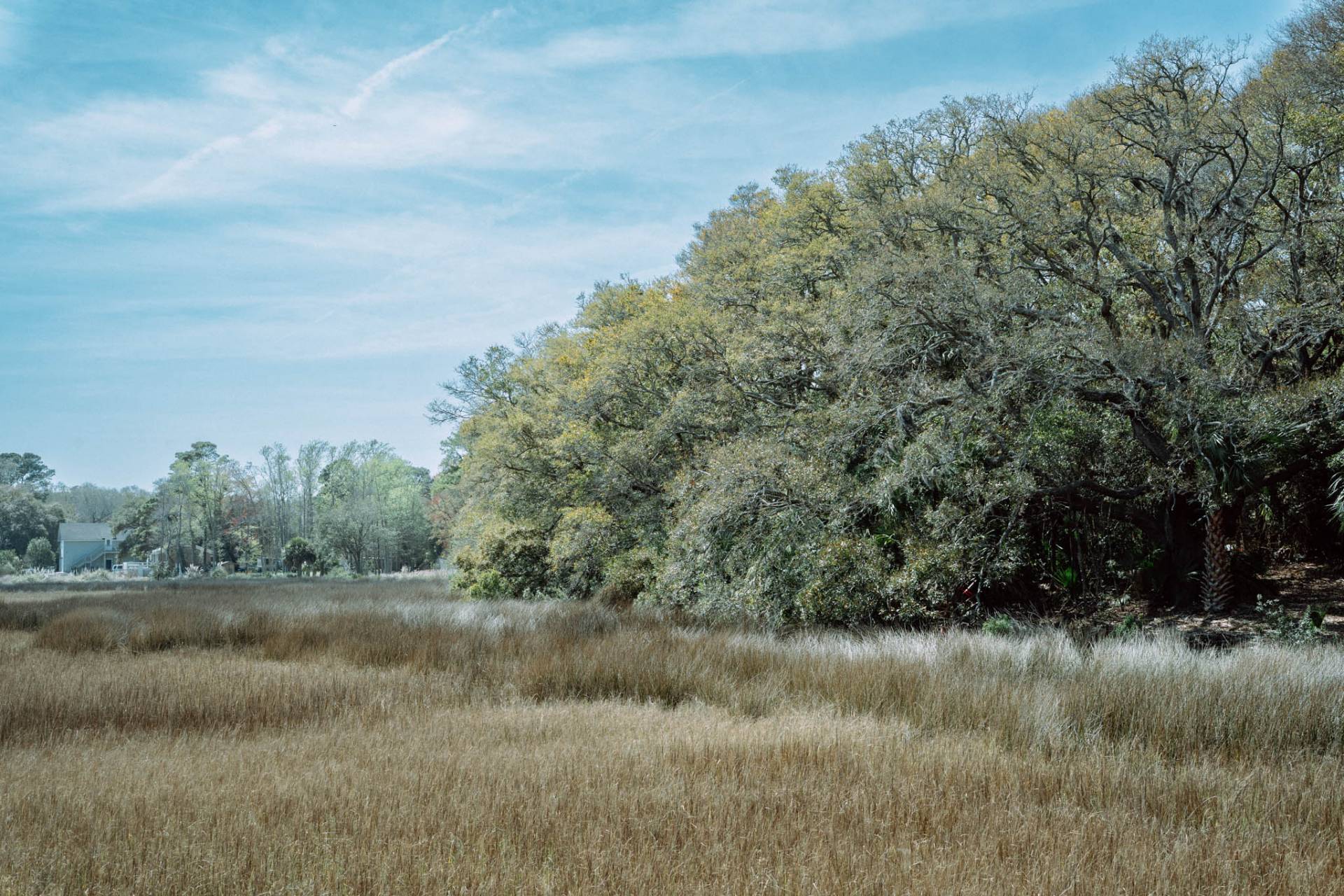
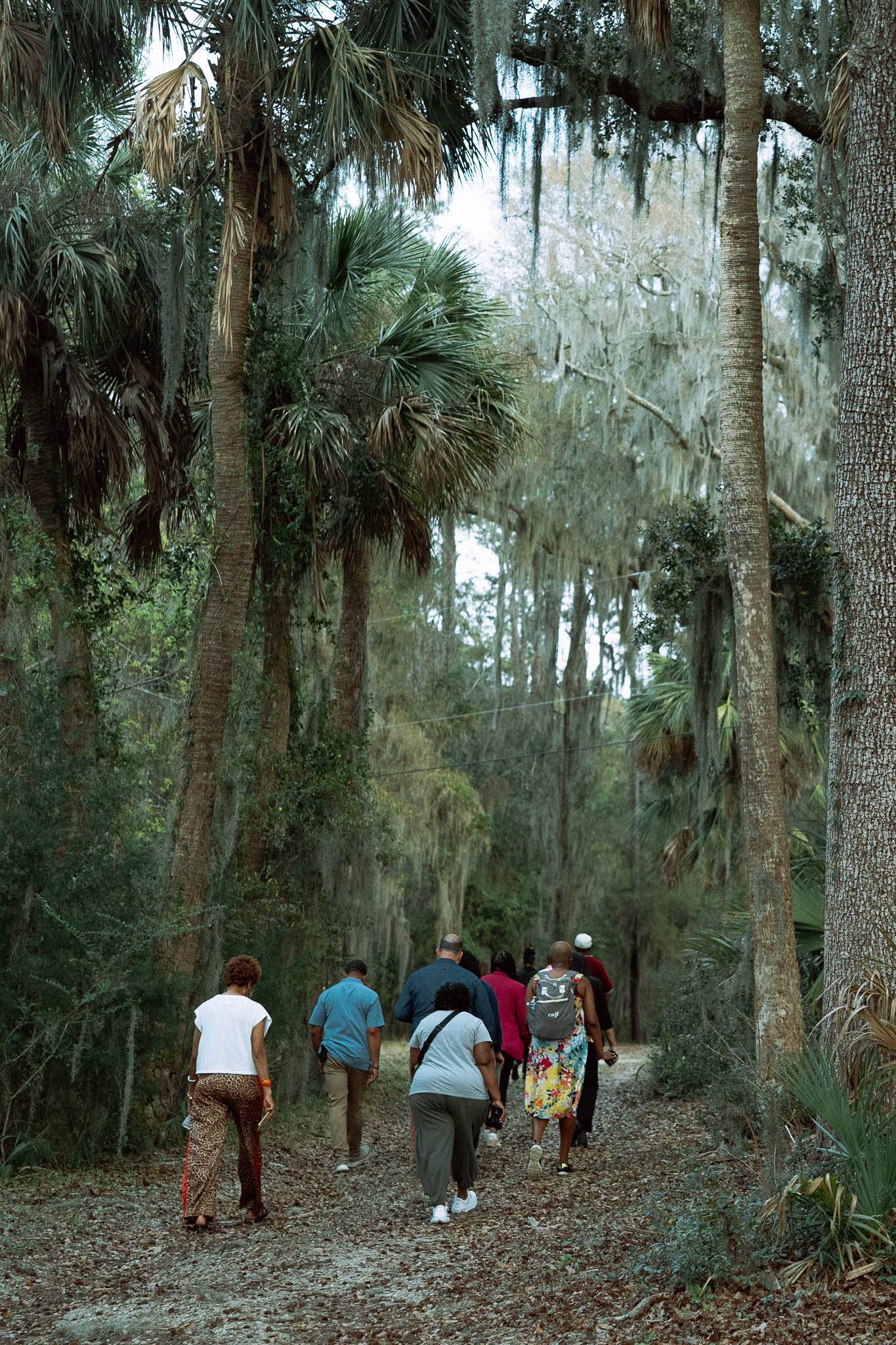
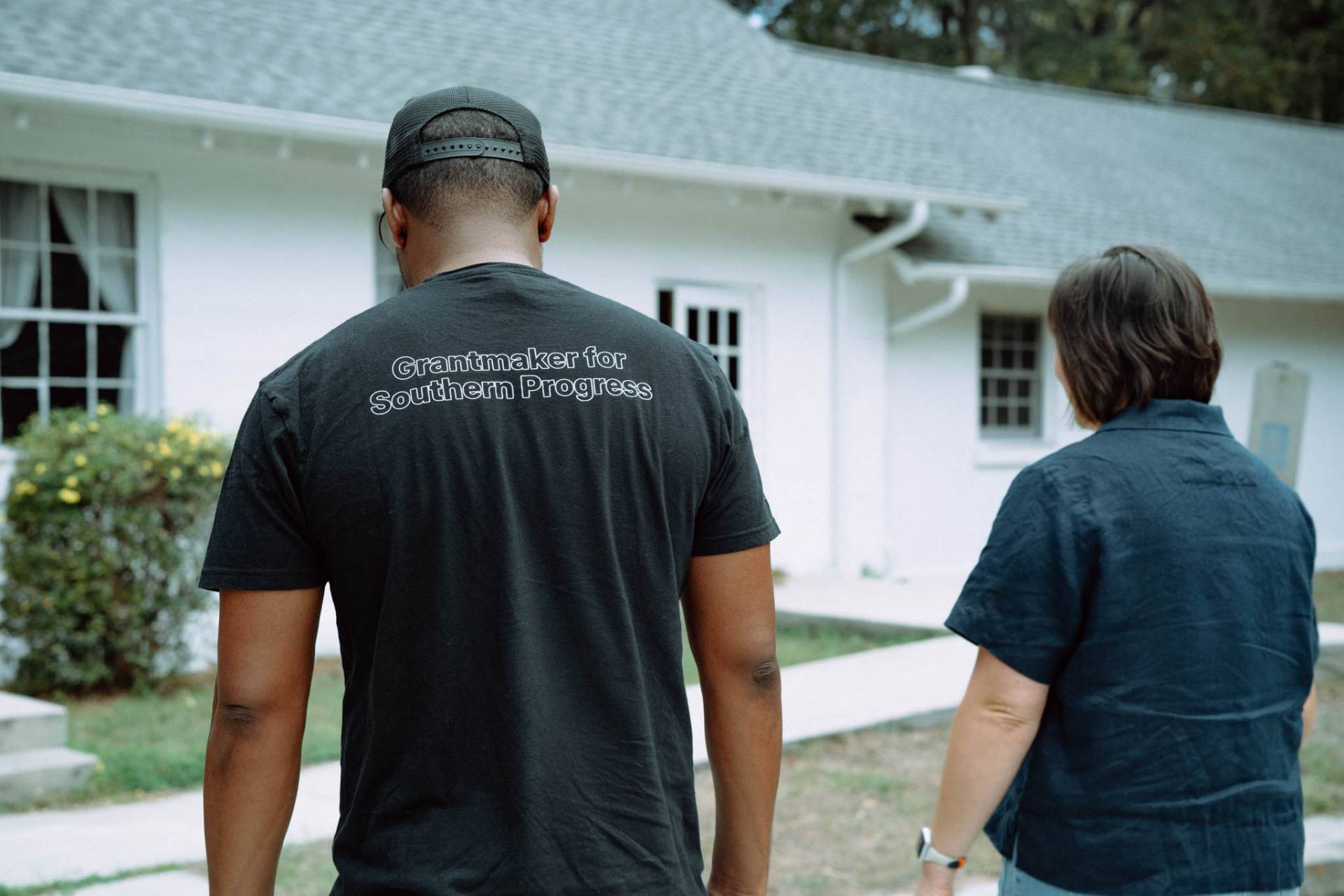
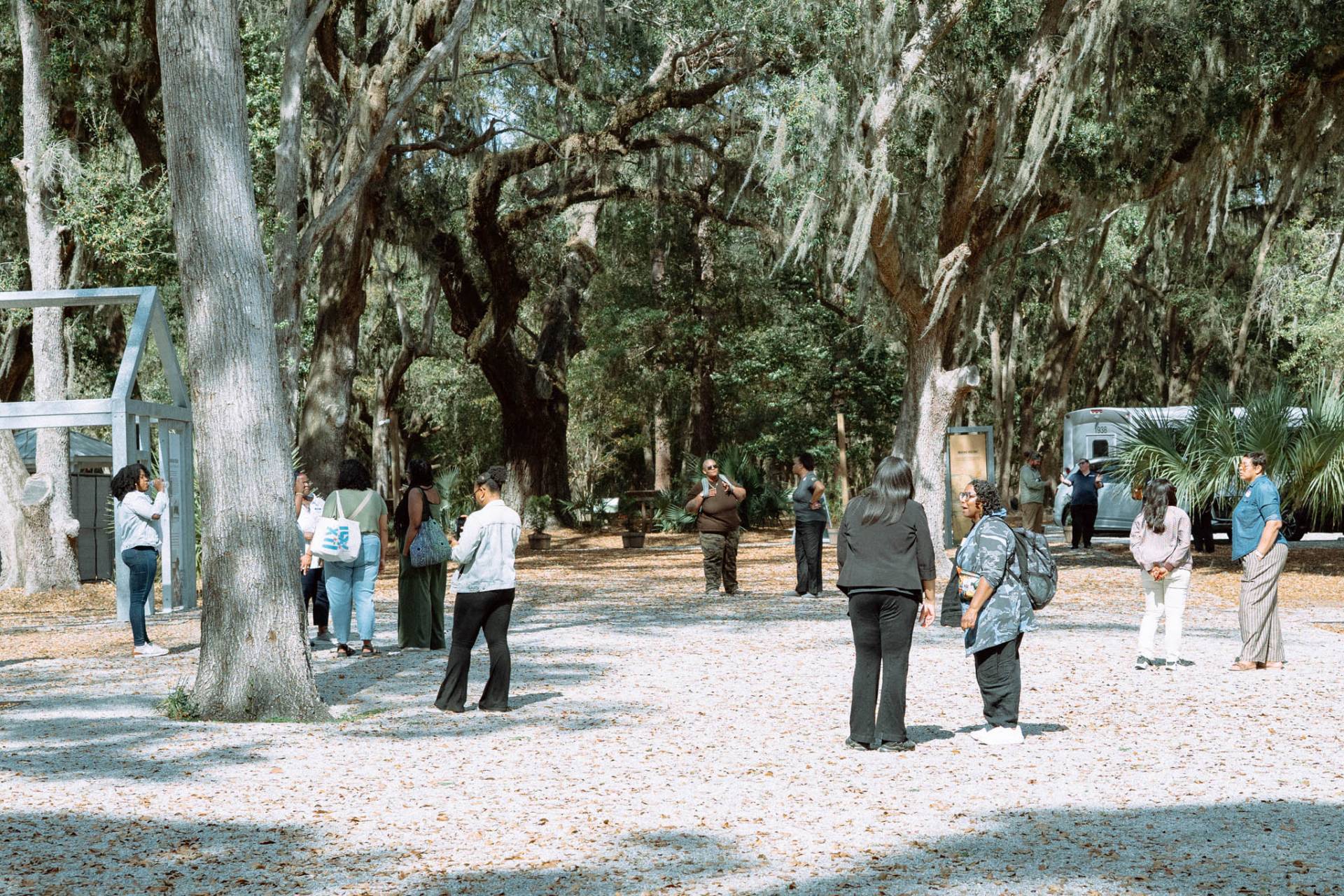
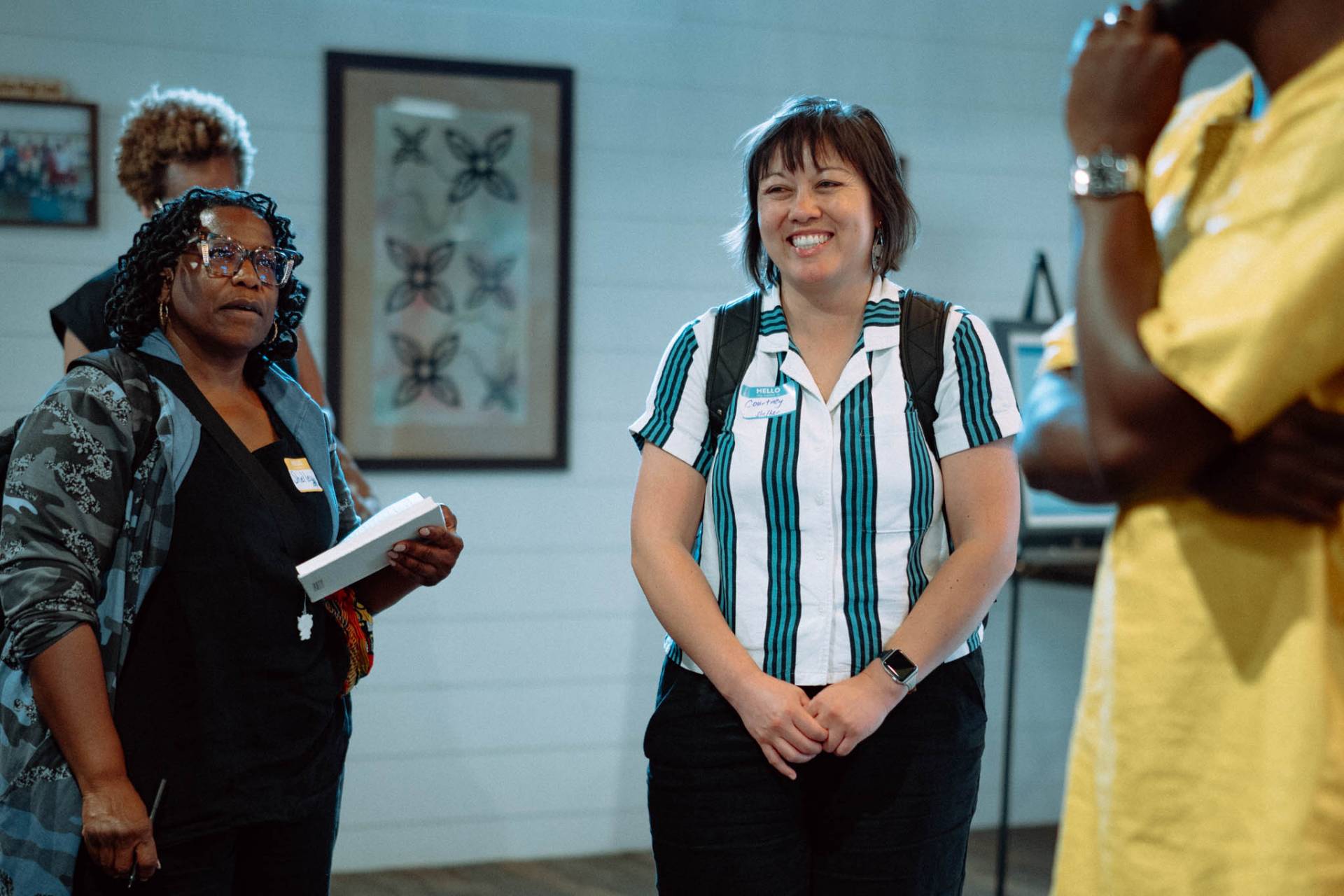
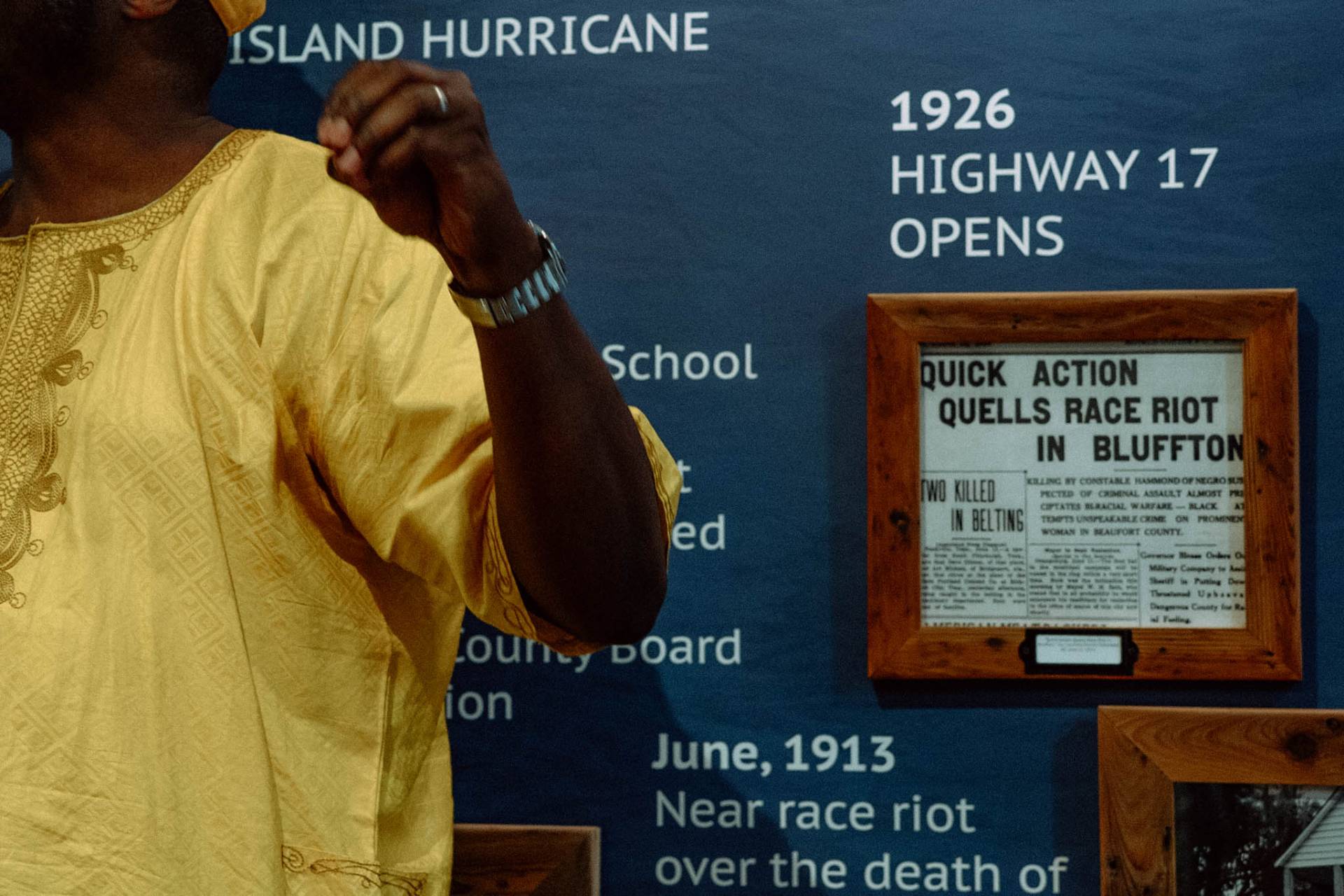
Sankofa pedagogy teaches us that we must go back and learn from the past to build a better future. At GSP, we believe that the first step towards equitable, structural change begins with deeply grounding ourselves in the history of the people, places, and movements that have built the modern South. In March, GSP’s Fellows for Southern Progress (FSP) cohort traveled to the sea islands of South Carolina to study the history of Southern resistance, walk the lands where the first reconstruction occurred (see The Port Royal Experiment), and start their paths toward a new philanthropic relationship with the South.
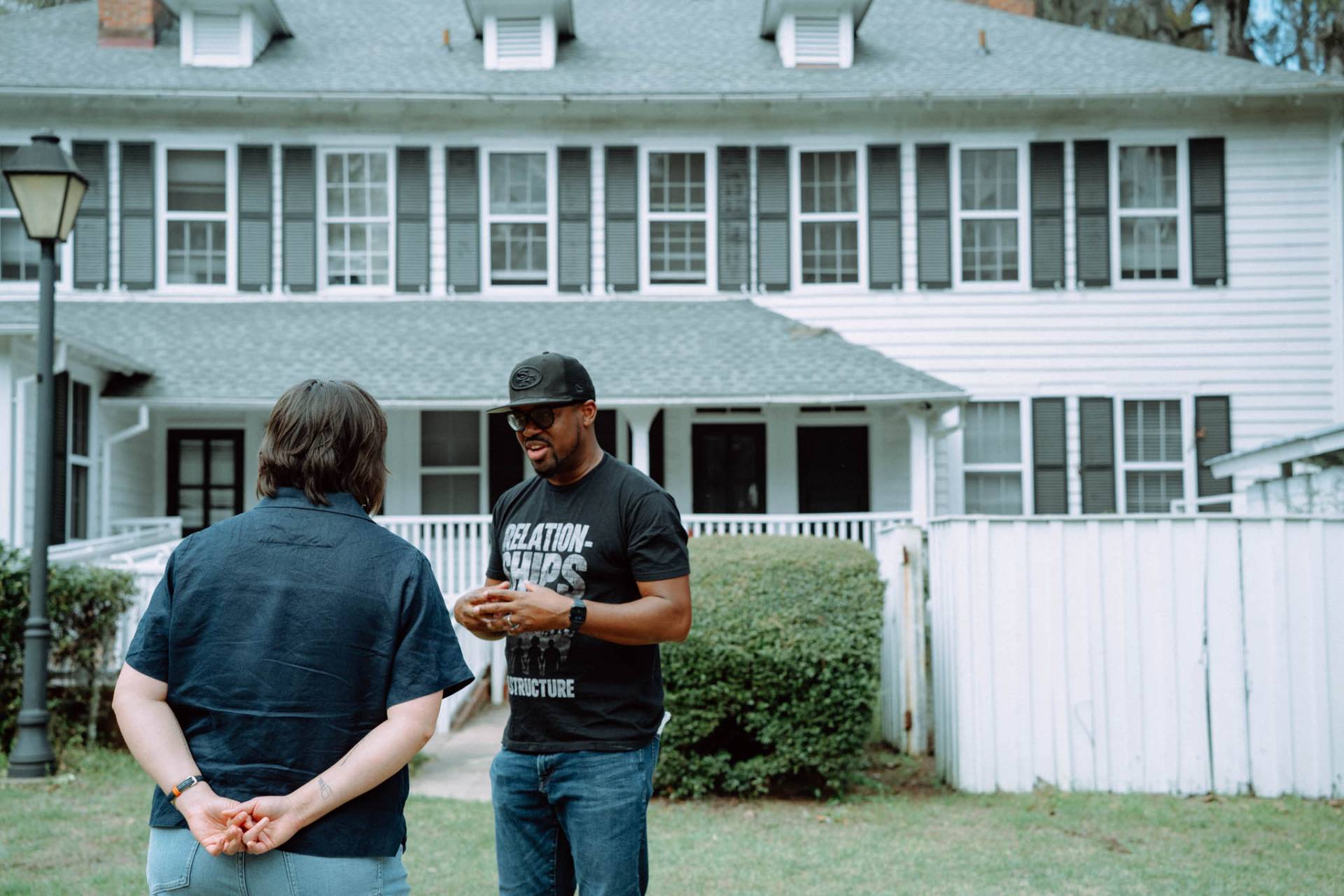
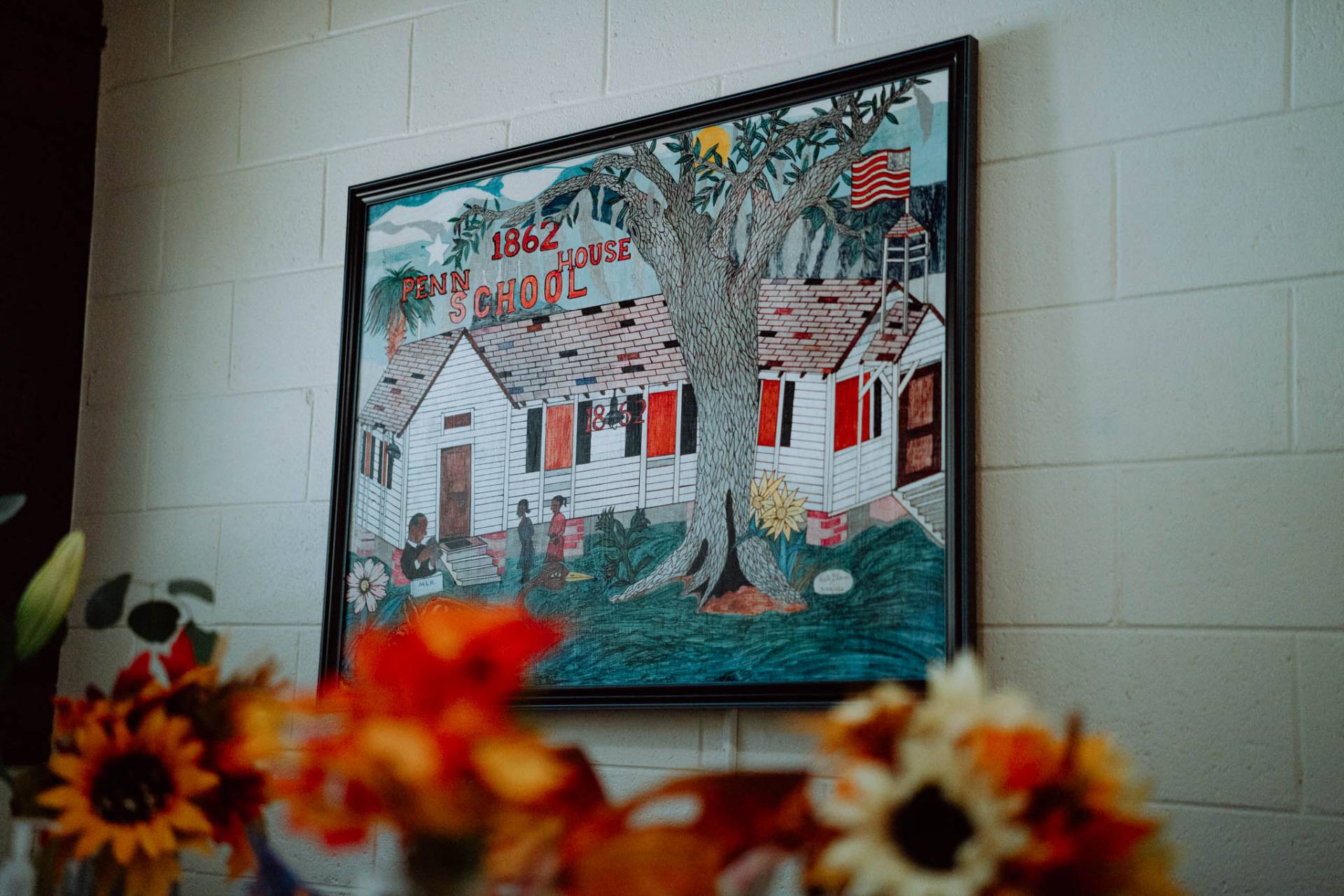
We cannot tell the story of the US South without centering South Carolina and the contribution of the enslaved people brought upon its shores. Our Fellows were able to see the impact of their contribution and freedom firsthand through the exploration of The Penn Center on St. Helena Island, Historic Mitchelville Freedom Park on Hilton Head Island, Bluffton Gullah Cultural Heritage Center in Bluffton and through the work of Beaufort County’s Black Chamber of Commerce. Our investment of time in each place gave us the opportunity to celebrate the spirit of resilience, remember our agency to build what had not been built before, and grasp the power of collective action.






Often overshadowed by the political narratives associated with the state, sustainable and scalable movements across South Carolina have been painted as unwinnable. This is especially true with organizing related to civic, economic and structural change work that builds community power. Since 2023, philanthropic investments across the state have resoundingly favored education, specifically higher education, while the public education system rankings remain in the forties. In that same period, less than $10 million in philanthropic investments explicitly resourced democracy and civic engagement efforts, coinciding with South Carolina becoming one of the hardest states to vote in. So, we ask you the same thing we’ve asked our Fellows to consider: What does it mean to meaningfully and strategically resource the bedrock of the modern South?

Fellows for Southern Progress (FSP) is an innovative leadership development program that helps participants develop the knowledge and skills necessary to support grassroots movements and structural change in the South. Together, we are reckoning with philanthropy’s complicated history and building a future where our communities can thrive. To learn more, visit g4sp.org/fellows.